


Construction Law & Liability of the Architect
In an important judgment of 19 December 2025 (C.25.0192.F), the Court of Cassation emphasized the fundamental importance of the architect’s duty of supervision when selecting the contractor, in particular with regard to the contractor’s access to the profession.

Facts in a nutshell
In this case, a building owner, assisted by an architect, had entered into a construction contract with a contractor who did not have the required access to the profession. The construction contract was therefore declared null and void. The building owner argued that the architect was liable because he had failed to verify this access and to advise on it.
The appellate court had held that the architect was not liable, since he had allegedly advised against the contractor due to technical and financial risks.
The Court of Cassation annulled that decision.
What’s the ruling of the Court of Cassation?
The Court confirms that the statutory and deontological duties of the architect go beyond a purely technical or financial assessment of the contractor.
The Court expressly rules that:
- the architect’s duty of advice and assistance entails that he must inform the building owner of the regulations governing access to the profession and
- verify whether the contractor actually has such access at the time the construction contract is concluded.
This follows from:
- Article 4 of the Act of 20 February 1939 (mandatory involvement of the architect for works requiring a permit), and
- Article 22 of the Code of Ethics of the Order of Architects, which obliges the architect to assist the building owner in choosing the contractor and to point out the guarantees offered.
The Court further holds that a judge may not limit himself to establishing that the architect issued technical or financial warnings. The judge must also examine whether the architect complied with his legal duty of control regarding access to the profession.
Significance for practice
This judgment has important implications for both architects and building owners:
For architects:
The duty of care is broad and proactive:
- not only warning about low prices or technical shortcomings,
- but also verifying whether the contractor is legally authorised to carry out the works (access to the profession, registration, etc.).
Failure to carry out this verification may lead to contractual liability if the construction contract is found to be null and void.
For building owners:
The judgment strengthens their protection:
- they may rely on the architect to guide them not only technically but also legally in the choice of contractor;
- if an unauthorized contractor is appointed, the architect may be held liable for that appointment.
Conclusion
With this judgment, the Court of Cassation underscores that the role of the architect goes beyond that of a technical designer or cost advisor. The architect acts as a key guardian of the legality and safety of the construction process.
Verification of the contractor’s professional qualifications is an integral part of this role and cannot be ignored or dismissed with mere warnings about price or quality.
For a comprehensive overview of the legislation governing the real estate sector in Flanders and Brussels, you can consult the new “Vastgoedcodex“, published in collaboration with KnopsPublishing.
Buy a copy (print or download – Dutch) here: https://nl.knopspublishing.be/shop/boeken/burgerlijk-recht/vastgoedcodex-vlaanderen-brussel-2025-2026/
For further information or assistance, you can always contact the Real Estate team at Andersen in Belgium.
Ulrike Beuselinck (Partner – Mediator) & Koen De Puydt (Managing Partner)

Discover more about this topic?
I am looking for a specialist in






See more articles

28.07.2026
•Commercial and Economic Law, Andersen in Belgium
The end of the EUR 150 customs duty exemption: the European Union introduces a flat-rate EUR 3 duty on small parcels
Since 1 July 2026, low-value imports from third countries have been subject to a new customs regime. Council Regulation (EU) 2026/382 of 11 February 2026, amending Council Regulation (EC) No 1186/2009 as regards the removal of the customs duty relief based on a value threshold, abolishes the customs duty exemption that previously applied to consignments with an intrinsic value of less than €150. At the same time, it introduces, on a transitional basis, a flat-rate customs duty of €3 per item in certain situations. This reform constitutes one of the first components of the comprehensive overhaul of the EU Customs Union launched by the European Commission to adapt customs rules to the rapid expansion of global e-commerce.

10.07.2026
•Tax Law, Andersen in Belgium
Copyright taxation: abolition of the flat-rate assessment of expenses
The Programme Law of 30 May 2026 has introduced - with retroactive effect from 1 January 2026 - a new condition for applying the flat-rate deduction of expenses from the gross income derived from copyright and related rights.
08.07.2026
•Real Estate, Renting and Co-ownership, Andersen in Belgium
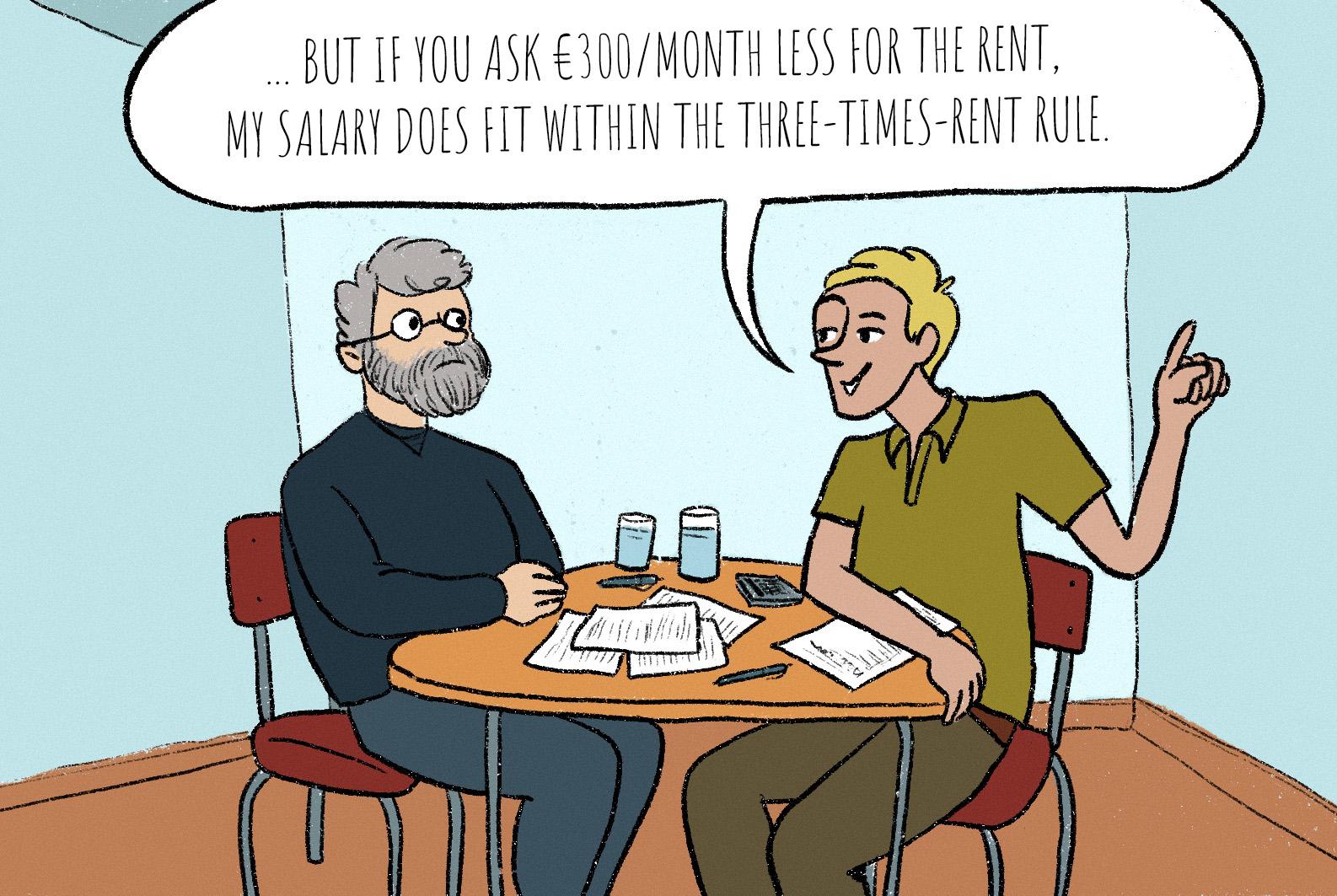
The three-times-rent rule holds: Council of State clarifies tenant selection
Can a landlord refuse a prospective tenant because their income is less than three times the rent? This question has been central to the debate on discrimination in the rental market for several years. In a judgment of 30 March 2026, the Council of State expressly addressed this so-called “three-times-rent rule” for the first time. The judgment provides important clarification for landlords, real estate investors and real estate agents. The Council of State does not hold that the three-times-rent rule is automatically permissible in all circumstances. It does, however, consider that an income requirement equal to three times the rent and charges is not, in itself, disproportionate and therefore cannot, without more, be regarded as prohibited discrimination on the basis of wealth.
08.07.2026
•Commercial and Economic Law, Andersen in Belgium
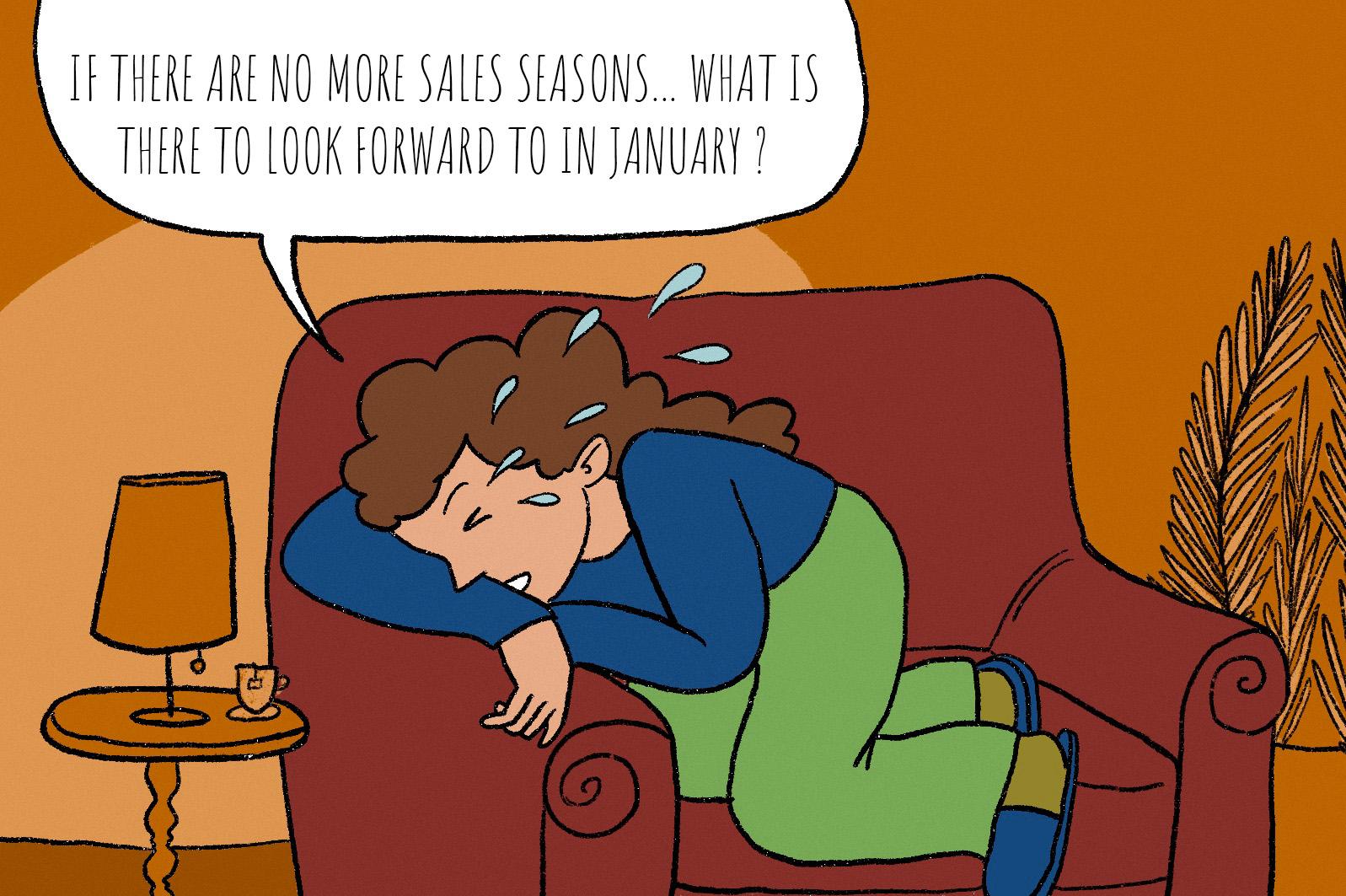
Sales Without Seasons? The Belgian Council of State Strikes Down the Ban on Advertising “Sales” Outside the Official Sales Periods
On 20 May 2026, the Belgian Council of State delivered three landmark judgments (Nos. 266.735, 266.736 and 266.737) holding that the Belgian prohibition on using the terms soldes, solden, sales, Schlussverkauf outside the statutory winter and summer sales periods is incompatible with European Union law and can no longer be enforced.